Smart Energy Management Systems (EMS) address this challenge by leveraging Internet of Things (IoT) devices, advanced software, and distributed energy resources. These systems transform traditional buildings into intelligent, energy-efficient ecosystems by enabling real-time energy consumption monitoring, analysis, and optimization.
This article explores how EMS tackles inefficiencies by analyzing real-time data from lighting, HVAC systems, and renewable energy sources, identifying waste and predicting energy needs. Machine learning enhances their decision-making capabilities, creating affordable, sustainable, and efficient energy solutions that align with global environmental goals.
Key Challenges in Energy Management for Smart Buildings:
- Real-time adaptability to dynamic energy demands: Modern smart buildings demand systems that can adapt in real-time to shifting energy loads driven by factors such as occupancy changes, weather fluctuations, and grid reliability. Traditional systems often lack this adaptability, leading to peak-time energy wastage or supply bottlenecks.
- Integration complexity with renewable energy sources: While renewable energy sources such as solar and wind are increasingly deployed, their intermittent nature creates integration challenges. Efficient energy flow management between distributed energy resources, grid systems, and storage is critical but often underdeveloped.
- High energy and operational costs: Higher (possibly extreme) costs are further exacerbated by unregulated HVAC systems, uncontrolled lighting, inefficient load distribution, and poorly optimized energy use. Additionally, demand charges during peak times significantly inflate expenses.
- Fragmentation of systems and lack of interoperability: The lack of standard protocols and compatibility across devices from different manufacturers creates significant barriers to system-wide optimization and scalability in smart buildings.
- Limited predictive maintenance capabilities: Many buildings may suffer from prolonged downtime, equipment degradation, and avoidable energy losses as they rely on reactive maintenance strategies. Undetected system inefficiencies cause further loss.
- Data overload without actionable insights: Although many energy systems generate vast amounts of data, the lack of sophisticated analytics and visualization tools often makes it difficult to derive actionable insights, leading to underutilized data potential.
Principal Components of Smart EMS:
We will discuss how Smart EMS offers practical solutions to address energy management challenges.
- Smart Meters and Panels: Smart meters provide real-time measurement and reporting of energy consumption. It is, in essence, the brain of the system. They enable utilities and energy distributors to manage supply and demand efficiently. Smart Panels identify overloads and inefficiencies and enable informed decisions to improve operational efficiency. This is made possible through a combination of advanced hardware and innovative software. Ethernet-connected Smart Panels ensure seamless communication and enhanced energy monitoring.

Figure 1: Interactive block diagram of Smart meter (Image source)
- Consumption monitors and sensors: These devices use AI and machine learning to track energy use at both circuit and device levels. They identify unique "electricity signatures" (the unique energy consumption pattern for an appliance), enabling fault detection and optimization of energy usage. Current sensors, or transducers (CT), measure electric energy or AC in a wire, whether at the circuit, zone, or machine level, providing updates every 30 seconds. These wireless, self-powered devices use ultra-low-power energy-harvesting technology, drawing energy directly from the conductor—no batteries or wiring needed. Simply clipped around single-phase or three-phase cables, they minimize downtime and disruption. The data flows to a smart gateway, where it is converted into JSON and sent locally or to the cloud. Seamless compatibility with any IoT platform or software is assured with a platform-agnostic design.

Figure 2: Integrating sensor data into energy monitoring software (image source)
- Automation and AI Integration: Smart devices like valves, actuators, and sensors enable IP-based communication, providing real-time insights and proactive alerts. For example, a blocked damper signals airflow issues, and fans predict end-of-life using operational data. IoT-driven analytics enhance energy efficiency and other KPIs through real-time optimization. Similarly, On-site AI and ML processing ensures low latency and reliable automation without needing constant internet connectivity. Applications like AI-based fault detection in HVAC systems operate seamlessly, even in safety-critical scenarios. Edge computing supports overnight software updates and lifecycle-long functionality enhancements. In cloud integration, remote computing infrastructure collects, analyzes, and optimizes data across a building's lifecycle. From design to renovation, streamlined installation, enhanced asset performance, predictive maintenance, and real-time energy optimization are a few of the many benefits. Cloud access enables benchmarking, advanced AI-driven services, and custom solutions with global accessibility and platform independence.
- Renewable Energy Integration and Storage: This component incorporates renewable sources like solar and wind power, along with battery storage systems, to create a clean, reliable, and sustainable energy supply during periods of low generation.
Applications of Smart Energy Management Systems in Smart Buildings
Smart Energy Management Systems (SEMS) enables real-time monitoring, control, and automation of energy-consuming devices. They integrate advanced technologies to optimize operations and energy use within smart buildings. The following are the key applications
- Energy Consumption Optimization: Advanced systems with SEMS analyze real-time energy usage patterns to optimize consumption across HVAC systems, lighting, and other energy-intensive equipment. They control lighting based on occupancy or natural light availability, ensuring lights are only active when necessary. These use dynamic dimming and shading to further increase efficiency. Wastage is reduced through load balancing and intelligent scheduling, and energy is used where and when needed.
- Dynamic Load Management: By forecasting energy demands based on occupancy, time of day, and external factors like weather, SEMS dynamically adjust energy distribution. This avoids overloading systems and enhances the building's energy efficiency.
- HVAC Management, Cost Monitoring and Reduction: Heating, Ventilation, and Air Conditioning (HVAC) systems consume the largest share of energy in a building. Smart EMS regulates HVAC operations based on occupancy patterns and external weather conditions. Additionally, SEMS provides detailed energy analytics that facility managers can use to schedule energy-intensive operations during off-peak hours after identifying inefficiencies and optimizing tariffs. Advanced dashboards present actionable insights to drive cost-effective decisions.
- Building Automation and Interconnectivity: Smart buildings with SEMS leverage automation to manage interconnected subsystems like lighting, ventilation, and security. For instance, automated lighting adjusts based on occupancy, while ventilation systems respond dynamically to indoor air quality metrics
-
Fault Detection and Predictive Maintenance: SEMS identifies irregularities present in the energy patterns, thereby increasing reliability by indicating equipment failure or discrepancies. Predictive analytics permit proactive maintenance, thereby minimizing downtime and extending the lifecycle of building systems.
Smart buildings with SEMS are adaptable, efficient, and sustainable environments. These structures create their own ecosystems through a combination of energy conservation and occupant needs. These ecosystems go beyond energy management as they intelligently respond to dynamic conditions.
Case Study: Smart Energy Management at the Burj Khalifa
The Burj Khalifa, a benchmark for smart building technology, houses luxury apartments, corporate suites, and hotels. Advanced cleaning, plumbing, and air conditioning systems are part of this massive structure. With Smart Energy Management Systems (EMS) at its core, the Burj Khalifa sets a new standard for efficiency and sustainability in modern architecture.
Integrated Building Management System (BMS): A centralized BMS powers the Burj Khalifa’s smart infrastructure, relaying real-time data to an IoT platform.
- Anomalies, if any, are detected through analysis of system performance, and maintenance needs can thus be predicted.
- Unified System Control: The BMS offers facilities managers can obtain a comprehensive view of the building's operations as the BMS connects all the smart devices. This connectivity improves responsiveness and operational efficiency.
Sustainable Plumbing and Water Management:
- Gravity-Powered Water Recycling: Water from plumbing fixtures, floor drains, and storm systems is discharged using gravity, reducing the energy required for pumping.
- Condensation Collection for Irrigation: The air conditioning system collects condensation and is repurposed to irrigate nearby parkland, demonstrating effective water conservation practices.
Innovative Air Conditioning System
- The system reduces the air needed for cooling by drawing cooler, fresher air from the building's upper floors to ventilate the lower levels.
- By leveraging the vertical height of the building, this design optimizes airflow dynamics, contributing to energy efficiency and occupant comfort.
Automated Cleaning Technology
- Safety is enhanced through the use of unmanned cleaning machines as they replace manual cleaning in all floors, from the ground to the top, which can be more than 40 stories high. Cleaning a tall building is a labour intensive task with several dangers.
Conclusion:
The inclusion of advanced technology into buildings makes them Smart, where there is a distinct move from passive energy-saving approaches to active intelligence. Such a transformation minimizes energy waste, increases building efficiency, and supports sustainable urban growth while improving the quality of life for occupants. SEMS makes it possible by optimizing energy use, cutting carbon footprints, and ensuring a reliable energy supply.
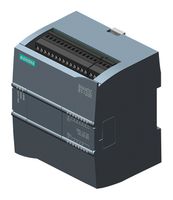
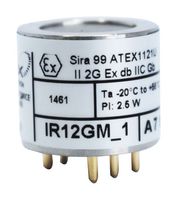
As a global distributor, Farnell offers a comprehensive range of products to optimize energy efficiency and sustainability in smart buildings. These include sensors, automation controllers, smart lighting systems, energy storage solutions, and connectivity modules.














Technologies






Artificial Intelligence
One of the greatest revolutions in all of human history! AI is an all-encompassing concept that incorporates human intelligence into machines
DEVKIT HQ
The #1 Destination for Embedded Evaluation Boards, Development Kits, and Tools
IoT Sensor to Cloud Platform
/IOTCONNECT™ accelerate your loT journey with secure, ready-to-use cloud connectivity
Further Resources
Calculators & Conversion Charts
Selection Guides and Catalogues
Essential Learning Modules
Tech Spotlights
Design Resources
Engineering Glossary
Technical Support
Parts Finder Tools
